
A place of reparation
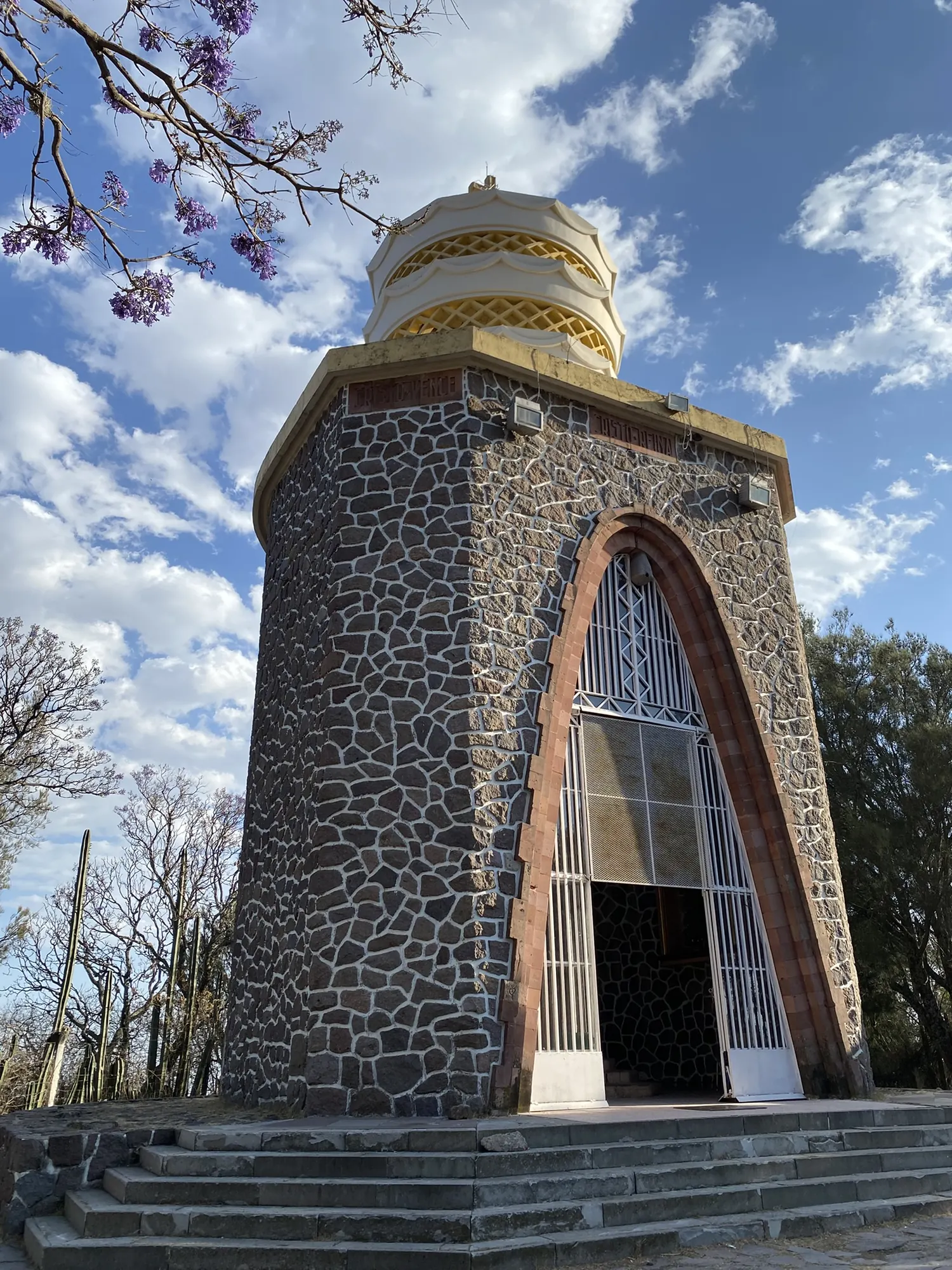
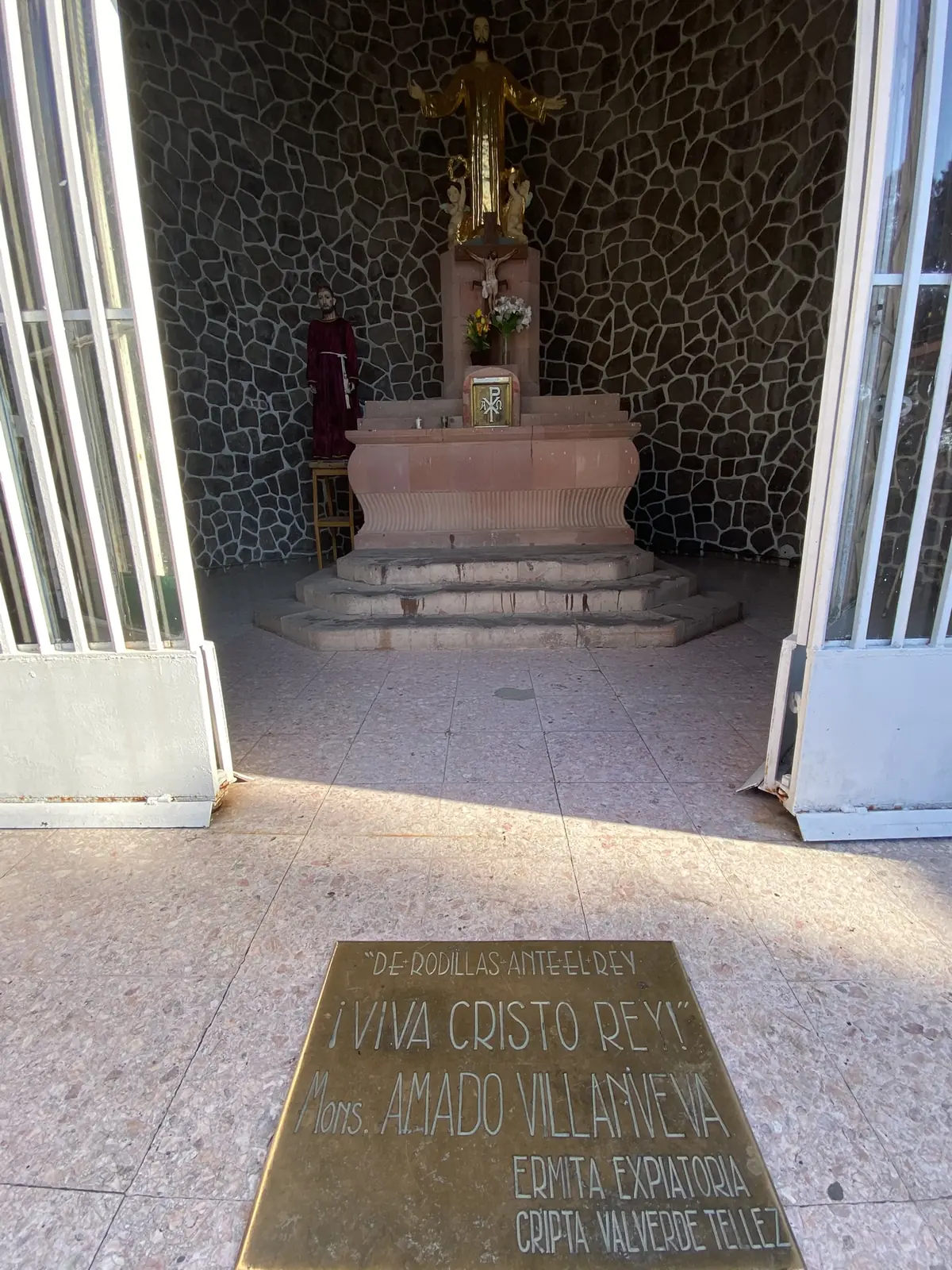
Expiatory Hermitage
Built with the remains of the first monument, dynamited in 1928.
History
Expiatory Hermitage
Before telling the history of this place, two terms are worth explaining. A hermitage is a small chapel, usually in an isolated spot, meant to encourage the visitor to pray. An expiatory church is a place consecrated to reparation. The Expiatory Hermitage, then, is a chapel for making amends for sins and offenses.
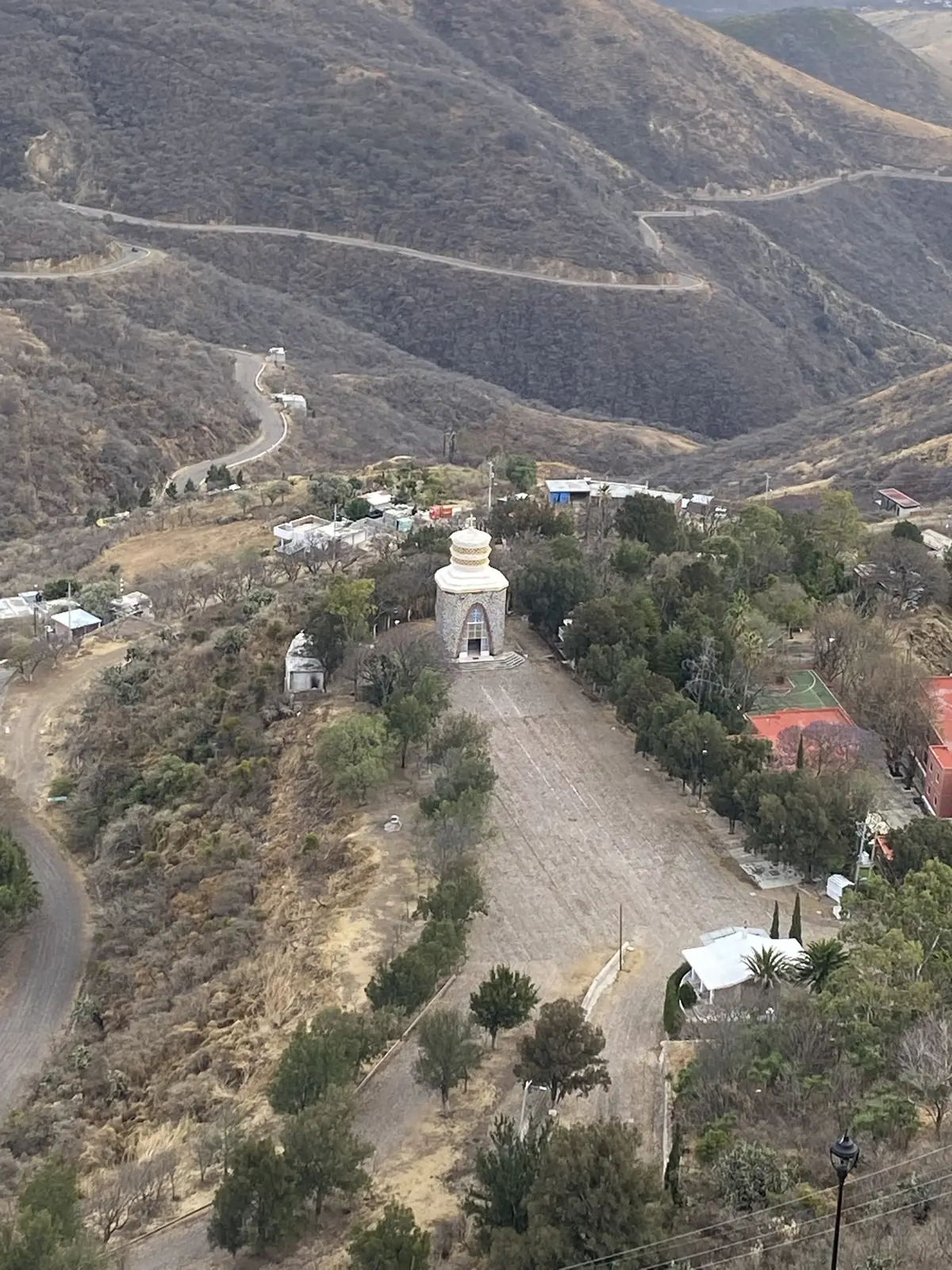
Speaking of the Expiatory Hermitage means remembering the different monuments planned for Cubilete Hill, especially the first one, which was dynamited in 1928 in a sacrilegious act. As an act of reparation, the present Hermitage was built with the remains of that first monument.
When the Federal Government finally gave the Mexican Bishops permission to build the fifth and definitive Monument to Christ the King on the summit of Cubilete Hill, the Most Reverend Emeterio Valverde, sixth Bishop of León, asked that an Expiatory Hermitage be built on the very spot where the first monument had been blown up in 1928. In this way he provided reparation for the sacrilege and gave those who climbed the hill a worthy place to pray.
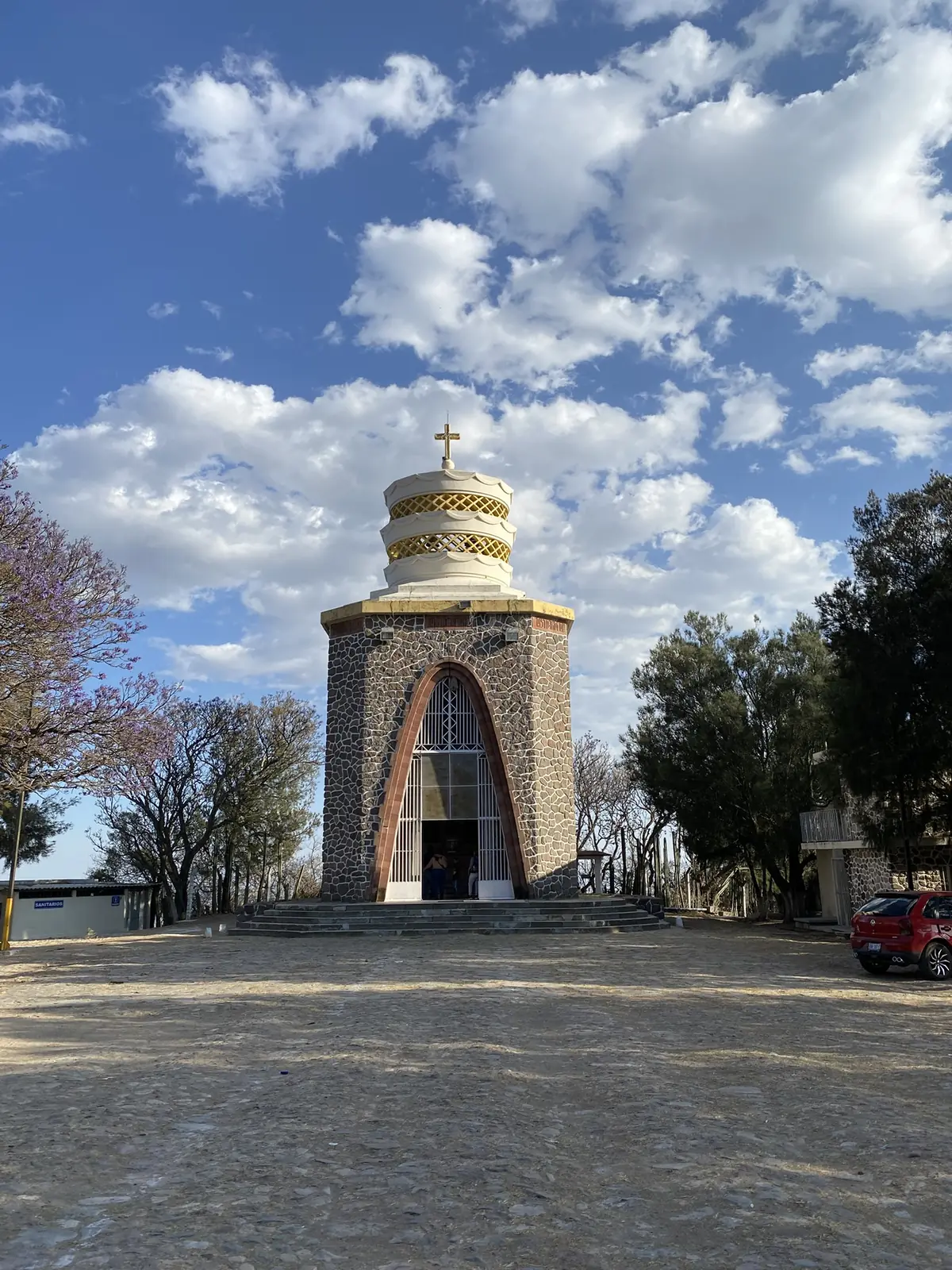
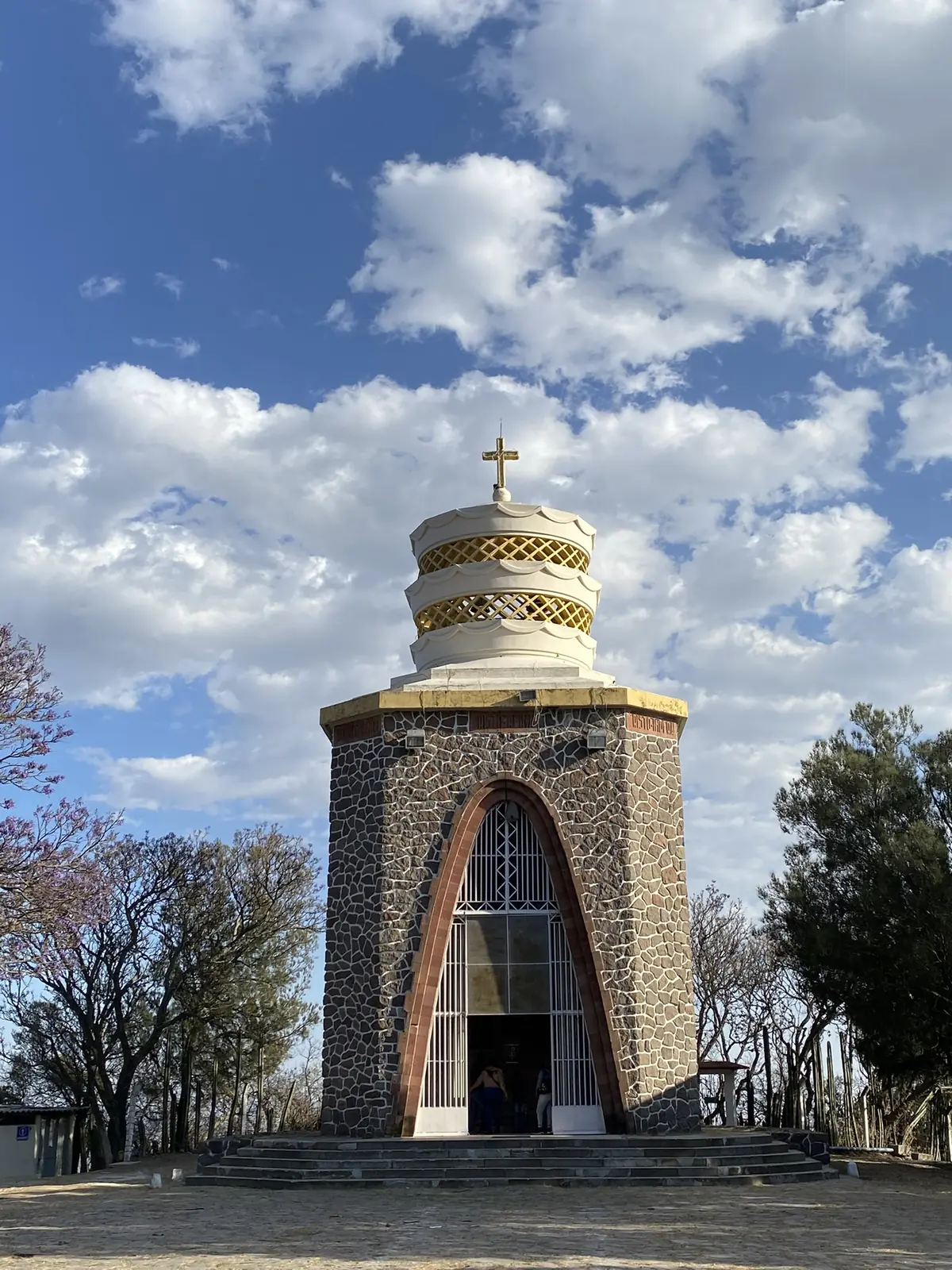
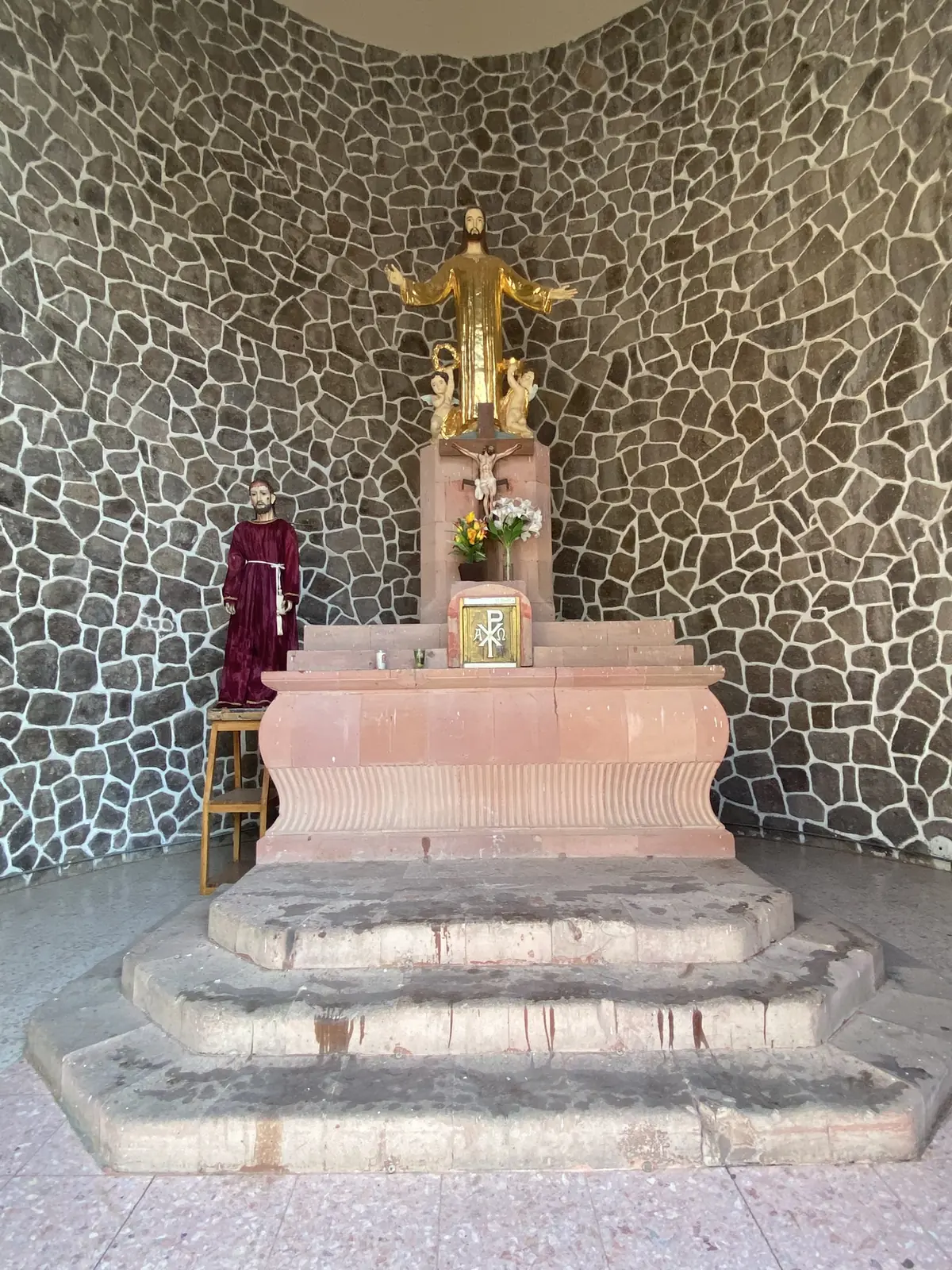
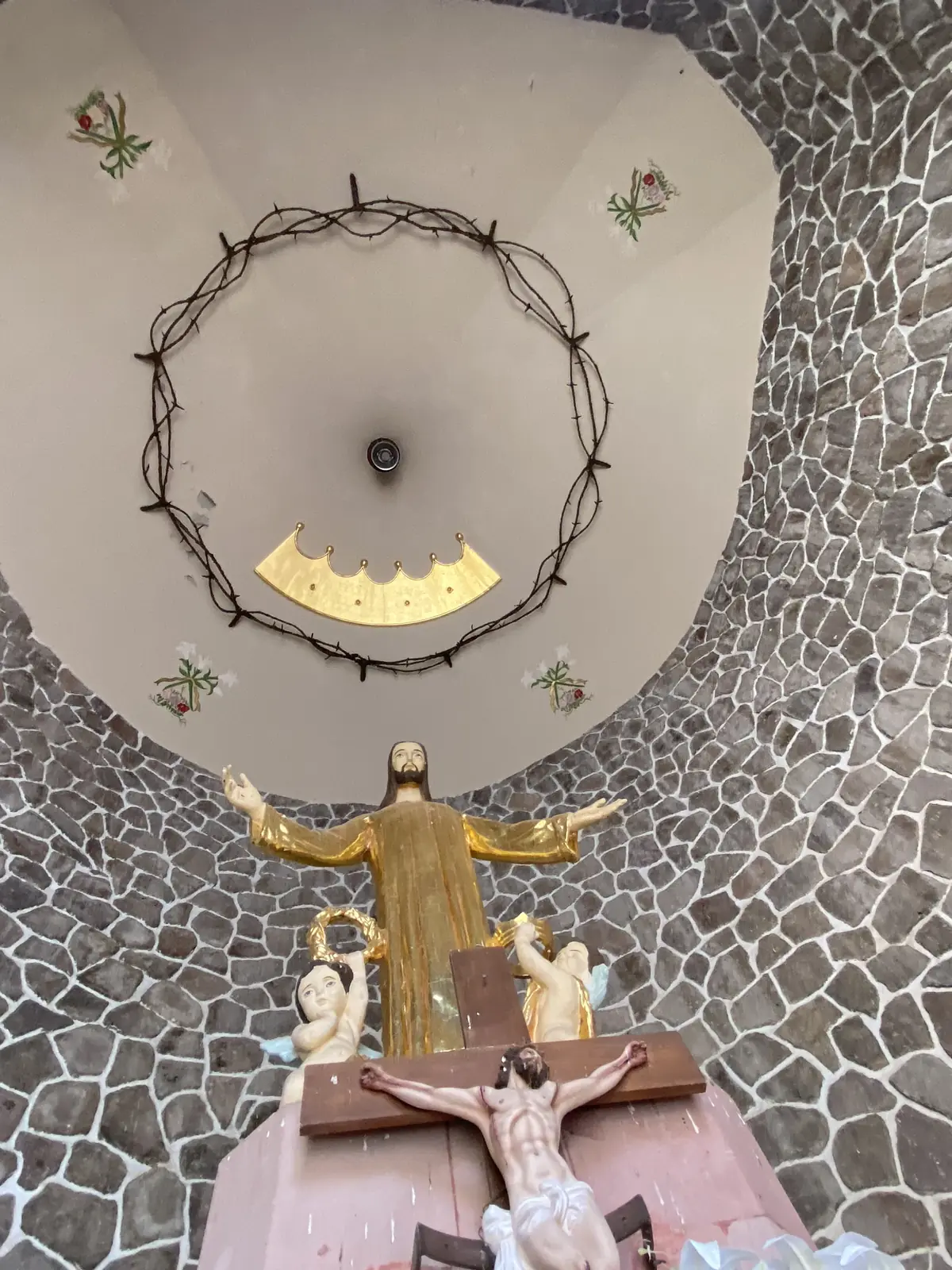
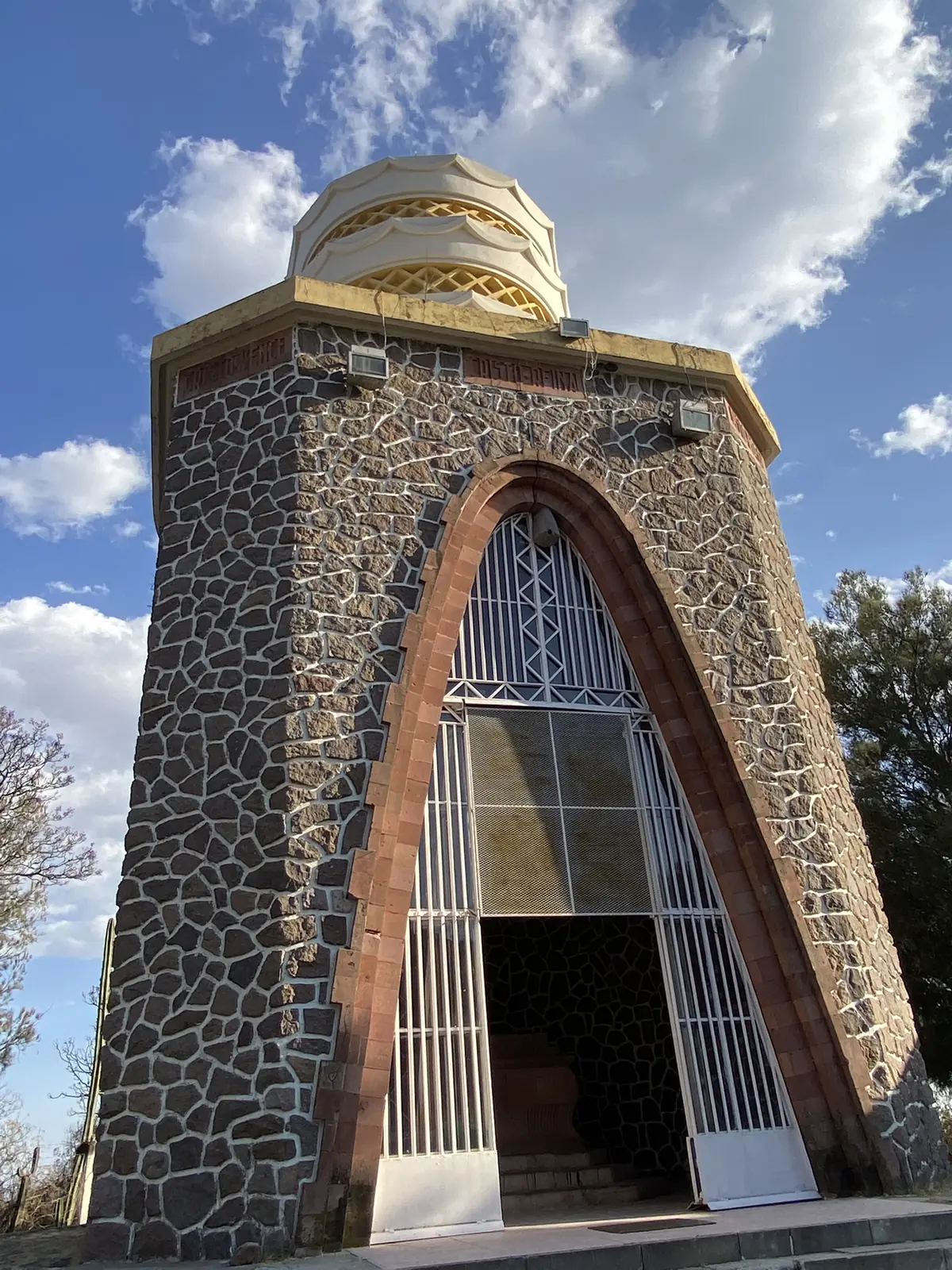
Bishop Valverde laid the first stone of the Expiatory Hermitage on January 6, 1944. Construction took barely eleven months; by November 1944 it was finished. Its architecture is modern for its time: the interior is 6 meters in diameter and 16 meters high, the parabolic entrance door is 7 meters tall, and the bell tower that crowns the chapel takes the shape of a papal tiara. Its quarry stone came from San Luis de la Paz, Guanajuato.
The upper part of the Hermitage bears three inscriptions carved in stone: Christ conquers, Christ reigns, Christ commands. They proclaim the kingship of Jesus and reflect the devotion to Christ the King that spread after 1925, when Pius XI’s encyclical Quas Primas established the feast of Jesus Christ, King of the Universe.
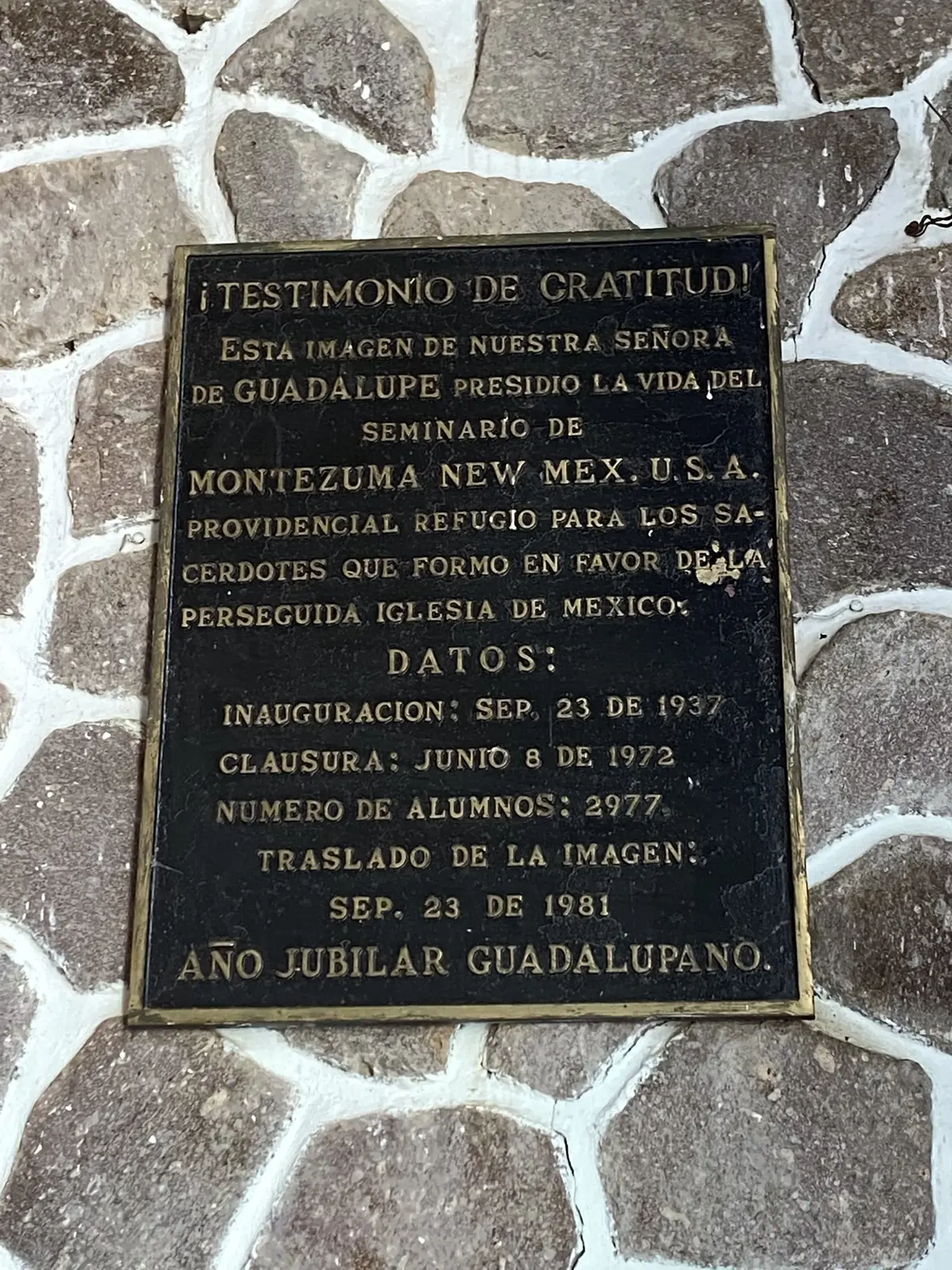
Today the Hermitage welcomes thousands of pilgrims at different times of the year, including the horseback pilgrimage in January, the youth march in January and October, and large outdoor Masses throughout the year. A stone plaque at the back records its original intention: the Mexican Bishops, at the request of the sixth Bishop of León, proclaiming the Divine Kingship and renewing the ancient vow to raise a great temple on the summit of this mountain, dedicate, offer and consecrate this Expiatory Hermitage to Christ the King of Peace. The Hermitage was blessed on December 11, 1944, at 6:30 a.m., by Bishop Emeterio Valverde Téllez.
Visiting hours
Every day
8:00 a.m. to 7:00 p.m.
Spirituality
The spirituality of repentance
Pope Benedict XVI reminded us that being a Christian does not begin with an ethical decision or a great idea, but with an encounter with a Person who gives life a new horizon and a decisive direction (Deus Caritas Est, 1).
That encounter is with a love that became visible on the Cross. In the self-emptying of the Son of God, God shows the fullness of His love for us: a love that does not end in the scandal of Good Friday, but culminates in the joy of the Resurrection, the Ascension and the gift of the Holy Spirit, through whom sins are forgiven and peace is given.
Benedict XVI described this love both as agape, a self-giving love that seeks only the good of the other, and as a love that awaits our “yes”. Humanity, deceived by the illusion of self-sufficiency, has often closed itself to that love; and Baptism, though it gives us new life, does not remove human weakness or the inclination to sin.
That is why the Lord offers us the sacrament of Confession. Each time we approach it with faith, after an honest examination of conscience, God’s mercy moves our hearts: we express sorrow for our sins, resolve not to sin again and joyfully accept the penance that repairs the harm done.
The Expiatory Hermitage, built from the remains of a monument destroyed by hatred, is a place to live this spirituality: to recognize our own sin, to make reparation and to let ourselves be reconciled by Christ the King of Peace.
Gallery
Discover the place
Plan your visit
Check opening hours, directions and services before climbing Cubilete Hill.